


If you are buying an older, larger or more complex property, a building survey is likely the most important step you will take before exchanging contracts. But a lot of buyers are unsure what the process actually involves, what the surveyor looks at, and what they get at the end of it.
This guide covers all of that clearly and without unnecessary jargon.
- A building survey is the most detailed residential survey available, known as a Level 3
- It covers the structure, fabric and condition of the whole property
- The surveyor inspects the roof, walls, floors, damp, timber and any alterations
- The report explains defects, their likely cause and the recommended next steps
- It does not include a market valuation unless specifically requested
- At SMRE Property, a pre-report consultation is included as standard
What Is a Building Survey?
A building survey is a RICS Level 3 inspection, the most comprehensive type of residential survey available. It is carried out by a qualified chartered surveyor and is designed to give you a thorough understanding of the condition of the property you are buying.
Unlike a Level 2 HomeBuyer Survey, which provides a general overview using condition ratings, a Level 3 building survey goes into considerably more detail. It explains how the building has been constructed, identifies visible defects, assesses the risk of hidden problems, and advises on repair priorities and options.
If you are not yet sure which type of survey is right for your property, our guide on the different types of house survey covers all three RICS levels in plain English.
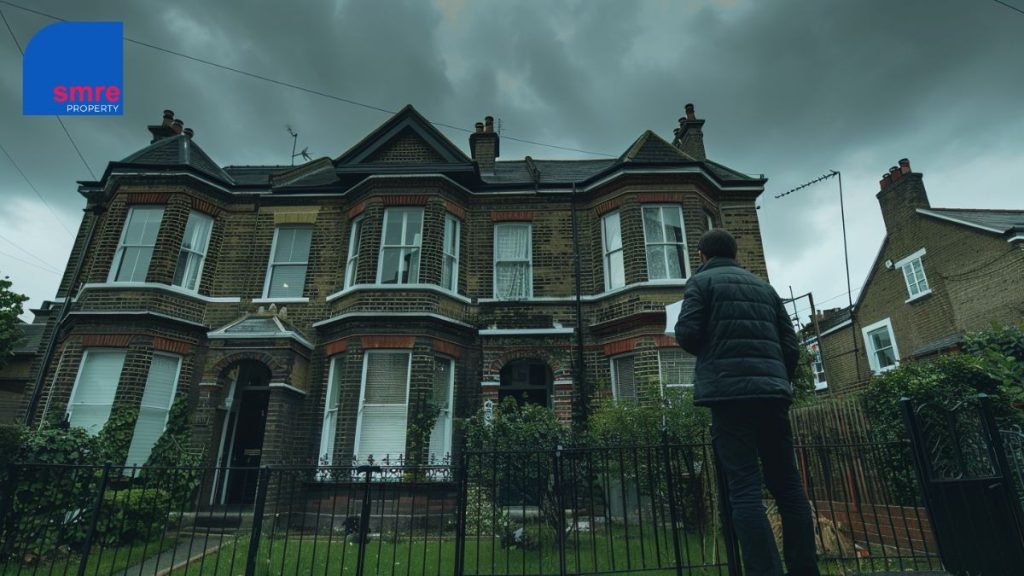
What Does a Building Survey Cover?
A Level 3 building survey covers the full structure and fabric of the property. The surveyor will carry out a thorough visual inspection of all accessible areas, both inside and outside the building.
Roof Structure and Coverings
The surveyor will inspect the roof as closely as is safely and reasonably possible. This includes the roof covering, such as tiles, slates or flat roof materials, as well as the underlying structure, gutters, downpipes, chimney stacks and any roof lights or skylights. Any signs of sagging, missing materials, deterioration or water ingress will be noted and assessed.
External Walls and Pointing
The external fabric of the building is examined in detail. This includes the brickwork or stonework, mortar joints, render, window and door frames, lintels and any visible signs of movement or cracking. The surveyor will assess whether any movement appears historic or ongoing, and what that means for the structure.
Damp and Moisture
Damp is one of the most common issues found in older properties. The surveyor uses a moisture meter to check walls, floors and ceilings for signs of rising damp, penetrating damp or condensation. Where damp is found, the report will explain the likely cause and the recommended course of action.
Timber and Woodwork
Exposed and accessible timbers are checked for signs of rot, beetle infestation and deterioration. This includes floor joists, roof timbers, window frames and any other structural or decorative woodwork that can be reasonably accessed.
Floors and Internal Structure
The surveyor will walk the floors throughout the property, checking for unevenness, signs of movement and any areas of concern beneath suspended timber floors where accessible. Internal walls are checked for cracking, and ceilings for sagging or signs of water damage.
Extensions, Alterations and Conversions
If the property has been extended, altered or converted, these areas will be given specific attention. The surveyor will assess the quality of the work, whether it appears to have been carried out properly, and whether it raises any concerns about building regulations compliance or structural integrity.
Services
The visible elements of the main services are noted, including heating, electrics and plumbing. A building survey does not include testing of services, but the surveyor will advise whether specialist reports are recommended based on what they observe.
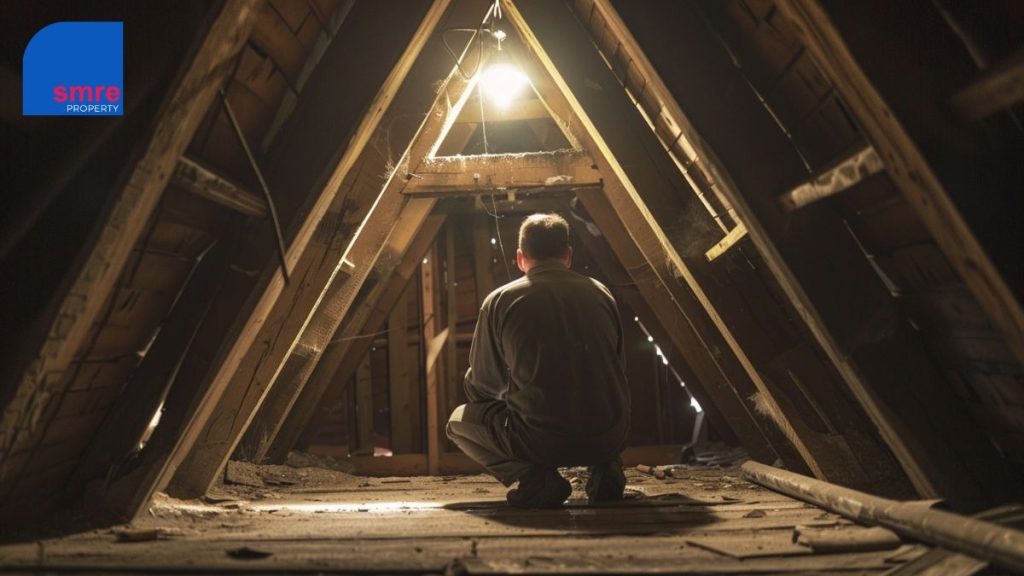
What Do You Get in the Report?
The Level 3 building survey report is a detailed document that covers every area of the inspection. For each element of the property, you will receive a description of what was found, an assessment of its condition, the likely cause of any defects identified, the risk of any hidden or underlying problems, and clear advice on what to do next.
The report does not simply list problems. It explains them in a way that helps you understand the significance of each finding. Some defects are cosmetic and straightforward to address. Others may require more urgent attention or specialist investigation before you commit to the purchase.
According to the Royal Institution of Chartered Surveyors in their standards guidance on home surveys, a Level 3 report should provide enough information to allow the buyer to make a fully informed decision about whether to proceed, renegotiate or seek further specialist advice.
You can see an example of what a completed RICS Level 3 report looks like through our Level 3 Building Survey service page.
The Pre-Report Consultation at SMRE Property
One of the things that sets SMRE Property apart is the pre-report consultation included with every building survey we carry out. Before the written report is issued, your surveyor will call you to talk through what was found on site.
This is not a brief summary. It is a thorough conversation where you can ask questions, get a clear explanation of anything that concerns you, and understand exactly what the findings mean for your purchase before you see the written report.
A lot of surveyors simply send the report and leave you to interpret it. We do not think that is good enough. The inspection itself is only part of the service. Helping you understand what you are looking at is just as important.
What a Building Survey Does Not Include
It is worth being clear about what falls outside the scope of a standard Level 3 building survey, so there are no surprises.
A building survey does not include a market valuation of the property. If you need a formal valuation for mortgage or other purposes, that needs to be instructed separately. We offer standalone residential valuations including Help to Buy, probate and matrimonial valuations if required.
It also does not include invasive or destructive investigation. The surveyor inspects what is visible and accessible. If there is a concern about something concealed, such as below a floor covering or behind a wall, the report will recommend a specialist investigation rather than attempting to open up the structure during the survey itself.
Testing of electrical installations, gas appliances, drainage systems and similar services is outside the scope of the survey, though the surveyor will note where such tests are advisable.
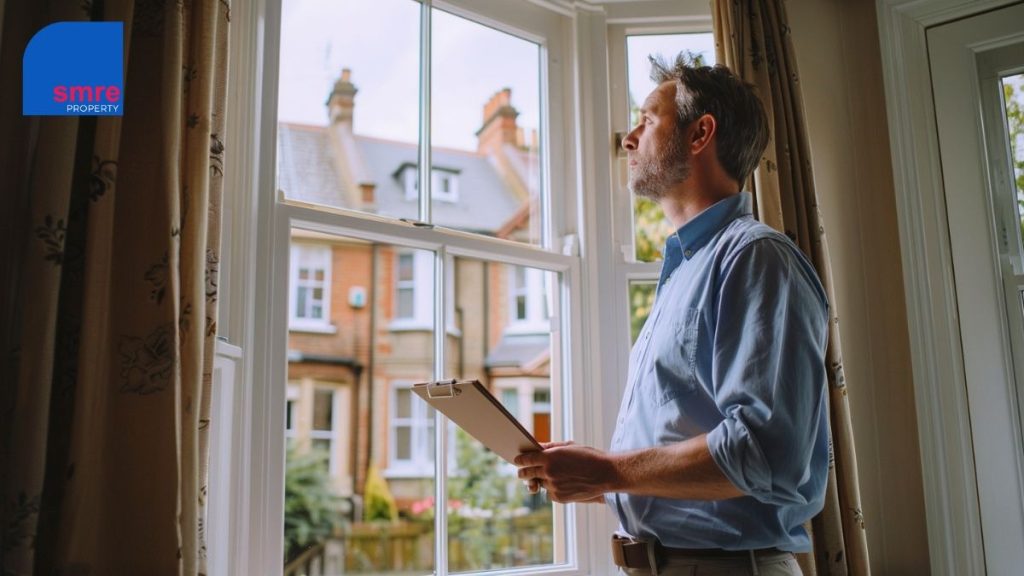
Who Needs a Building Survey?
A Level 3 building survey is the right choice for most buyers purchasing a property that is not a straightforward modern home in good condition. In practice, that means it is appropriate for a wide range of purchases across the areas we cover.
You should seriously consider a building survey if the property was built before 1930, has been extended or significantly altered, shows any visible signs of cracking, damp or movement, is of non-standard construction such as timber frame or stone, or if you simply want the most complete picture possible before committing to the purchase.
Our article on whether you need a Level 3 survey for an older property goes into more detail on this, and is worth reading if you are weighing up the decision.
If you are still deciding between a Level 2 and a Level 3, the cost difference is covered in our guide on how much a Level 3 building survey costs in 2026. The gap is often smaller than buyers expect, and for a complex property it is rarely a difficult decision once you understand what each survey actually delivers.
Book a Building Survey with SMRE Property
We carry out RICS Level 3 building surveys across the Wirral, Chester, Cheshire West and North Wales. Every survey includes a pre-report consultation as standard, and we aim to turn reports around quickly so your purchase does not stall.
If you would like to discuss a property or get a fixed price, get a quote from SMRE Property and we will come back to you promptly.
Frequently Asked Questions
What does a Level 3 building survey include?
A Level 3 building survey includes a thorough inspection of the roof, external walls, damp, timber condition, floors, internal structure, extensions and visible services. The report explains what was found, the likely cause of any defects, and what you should do about them.
How long does a building survey take?
The on-site inspection typically takes between two and four hours depending on the size and complexity of the property. Larger or more complex buildings will naturally take longer to inspect thoroughly.
Does a building survey include a valuation?
No, not as standard. A Level 3 building survey focuses on the condition of the property rather than its market value. A valuation can be arranged separately if required.
What is the difference between a building survey and a HomeBuyer Survey?
A HomeBuyer Survey is a Level 2 inspection that provides a general overview of the property’s condition using traffic light ratings. A building survey is a Level 3 inspection that goes much further, explaining in detail how the property is constructed, what defects exist, why they have occurred, and what needs to be done about them.
Comments