


Choosing the right survey is one of the most important decisions you will make when buying a property. Many buyers find themselves comparing a Level 2 vs Level 3 survey without fully understanding the difference.
Before we go into detail, here is a clear summary.
- A Level 2 survey is suitable for conventional properties in reasonable condition
- A Level 3 survey is designed for older, altered or more complex buildings
- The main difference lies in the depth of inspection and reporting
- Level 3 provides more detailed analysis of structure and potential defects
- The right choice depends on the property, not just the price
At SMRE Property, we focus on giving straightforward advice so you can make a confident decision.
What Is the Difference Between a Level 2 and Level 3 Survey?
The difference between a Level 2 and Level 3 survey is primarily the level of detail and the type of property they are designed for.
A Level 2 survey, sometimes referred to as a HomeBuyer survey, provides a clear assessment of the condition of a conventional property. It highlights significant defects and issues that may affect value, but it is not designed to provide in depth structural analysis.
A Level 3 survey, often known as a Building Survey, is the most comprehensive inspection available. According to the Royal Institution of Chartered Surveyors in their guidance on house surveys, a Level 3 report is particularly suited to larger, older or altered properties and provides detailed advice on structure, defects and repair options.
In practical terms, Level 3 goes further. It provides more commentary, more explanation and more professional judgement where a building presents risk or complexity.
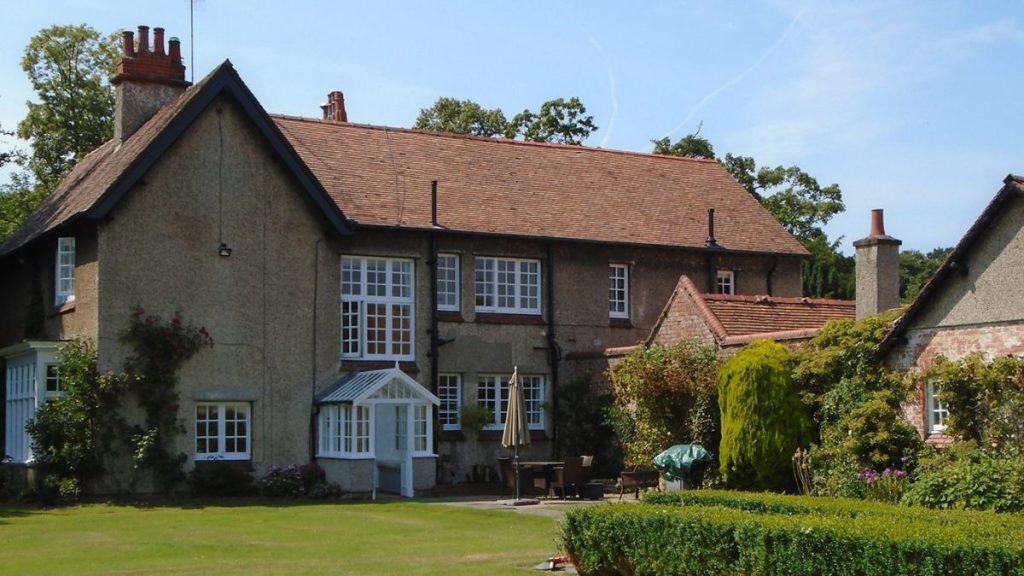
What Does a Level 2 Survey Include?
A Level 2 survey focuses on assessing the general condition of the main elements of a property.
It includes:
A visual inspection of the building, services and grounds, clear condition ratings, identification of urgent or significant defects, and advice on further investigations where necessary.
It does not involve testing services or opening up the structure.
You can see how this is structured within our RICS Home Survey – Level 2 service.
Type of Property It Suits
A Level 2 survey is typically appropriate for:
Modern houses or flats, properties built from common building materials, homes that appear to be in reasonable condition, and properties that have not been significantly altered.
For many buyers purchasing a standard property built in the last few decades, a Level 2 survey is entirely sufficient.
What Does a Level 3 Survey Include?
A Level 3 survey provides a far more detailed inspection of the building’s structure and fabric.
It covers all of the areas included in a Level 2 survey but adds greater depth of analysis, explanation of defects and commentary on likely causes and consequences.
Our RICS Home Survey – Level 3 service outlines how this level of inspection includes detailed assessment of roof structure, damp issues, structural movement, alterations and overall construction performance.
Structural Depth and Defect Analysis
A Level 3 survey aims to describe how the property is constructed, identify visible defects and potential hidden risks, explain likely causes of problems, and outline repair options and priorities.
For older properties, this depth is often essential rather than optional.
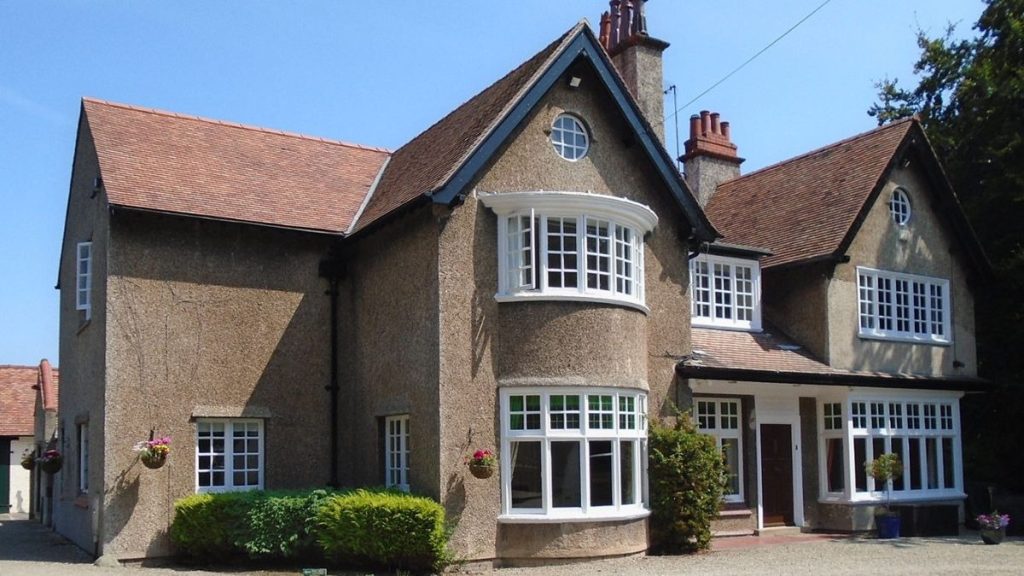
Is a Level 2 Survey Enough for a Standard Property?
In many cases, yes.
If you are purchasing a modern home built with standard materials and it appears well maintained, a Level 2 survey may be entirely appropriate.
It will still identify significant issues such as damp, structural movement or roof concerns. It also provides clear condition ratings to help you understand urgency.
The key is matching the survey to the property. Choosing a Level 3 survey for a nearly new house may not provide additional value. Equally, choosing a Level 2 survey for a Victorian terrace with visible alterations may not go far enough.
If you are unsure, we always recommend discussing the property before instructing. Clear communication at the outset prevents unnecessary cost or risk.
Do I Need a Level 3 Survey for an Older or Altered Property?
Older properties often justify a Level 3 survey.
The RICS consumer guidance on choosing the right survey confirms that Level 3 is particularly suited to buildings that are older, larger, run down or significantly altered.
You should strongly consider Level 3 if the property was built before 1930, has been extended or structurally altered, is of non traditional construction, or shows signs of cracking, damp or movement.
In areas such as the Wirral and surrounding parts of Cheshire, housing stock often includes period properties. These buildings can contain hidden defects that require experienced assessment.

Level 2 vs Level 3 Survey Cost – Is There a Big Difference?
Cost is often the deciding factor when comparing Level 2 vs Level 3 survey options.
Generally, a Level 3 survey will cost more than a Level 2 survey due to the time on site and the depth of reporting required. You can see typical pricing bands on our Home Survey Fees page.
However, the difference in cost must be viewed in context.
If a Level 3 survey prevents you from overlooking significant structural repairs, the additional fee may represent very good value. Conversely, if a property is straightforward and modern, a Level 2 survey may provide everything you need without additional expense.
It is also worth remembering that a lender’s valuation is not a substitute for either survey type. As outlined by the Financial Conduct Authority in their guidance on mortgages and property valuations, a valuation is carried out to protect the lender’s interest rather than to provide detailed condition advice.
Which Survey Should You Choose?
The decision should be based on risk, not simply price.
Ask yourself how old the property is, whether it has been extended or structurally altered, whether it shows visible signs of movement or damp, and whether you are comfortable proceeding without detailed structural advice.
If the property is conventional and modern, a Level 2 survey may be sufficient.
If the property is older, larger or more complex, a Level 3 survey is usually the more prudent choice.
At SMRE Property, we discuss each instruction individually. We take time to understand the building before recommending the appropriate service. You can contact us directly via our Contact page if you would like to talk through your purchase.
Clear, independent advice at this stage can prevent uncertainty later.
Frequently Asked Questions
What is the difference between a Level 2 and Level 3 survey?
A Level 2 survey provides a general condition overview for conventional properties. A Level 3 survey offers a more detailed structural assessment and is suited to older, altered or complex buildings.
Is a Level 2 survey enough?
For modern properties in reasonable condition, yes. For older or altered homes, a Level 3 survey may be more appropriate.
Do I need a Level 3 survey for an older house?
In most cases, yes. Older houses often contain hidden issues that require detailed structural inspection and commentary.
Is there a big price difference between Level 2 and Level 3 surveys?
A Level 3 survey usually costs more due to the additional time and reporting depth involved. The difference should be considered against the level of risk associated with the property.
Comments