

If you are buying a Victorian terrace, a 1920s semi or any property built decades ago, you may be asking: do I need a Level 3 survey for an older property?
It is a sensible question. Older homes have character, but they can also conceal issues that are not obvious during a viewing.
Before we go into detail, here is the short answer.
- Older properties often justify a Level 3 survey
- A Level 2 survey may be sufficient in some cases, but not all
- The decision depends on age, construction type and alterations
- Period homes can contain hidden defects that require deeper inspection
- The right survey provides clarity before you commit legally
At SMRE Property, we take a practical approach. The aim is not to oversell a service. It is to match the inspection to the risk.
What Is Considered an Older Property?
There is no strict legal definition of an older property, but in surveying terms it usually refers to homes built before 1930. This includes Victorian, Edwardian and early twentieth century properties.
These buildings were constructed using traditional materials and methods that differ significantly from modern standards. Solid brick walls, lime mortar, suspended timber floors and slate roofs all behave differently to contemporary cavity wall construction.
According to the Royal Institution of Chartered Surveyors in their guidance on choosing the right survey, a Level 3 survey is particularly suited to larger, older or altered buildings. That is because their construction type and age increase the likelihood of concealed defects.
If you are purchasing a property built before modern building regulations, the inspection needs to reflect that.
What Risks Are Common in Older Homes?
Older houses are not inherently problematic. Many have stood for over a century and remain structurally sound. However, time, weather and previous alterations can introduce risk.
Damp and Timber Issues
Solid wall construction is more prone to moisture movement than modern cavity walls. Inappropriate modern materials, such as cement pointing or injected damp proof courses, can sometimes create further complications.
Timber floor joists and roof timbers may also suffer from decay if ventilation has been restricted.
Structural Movement and Cracking
Historic settlement is common in older buildings. The key is distinguishing between historic movement and ongoing structural issues.
A Level 3 survey allows the surveyor to assess the pattern, likely cause and significance of cracking, rather than simply noting its presence.
Roof and Chimney Defects
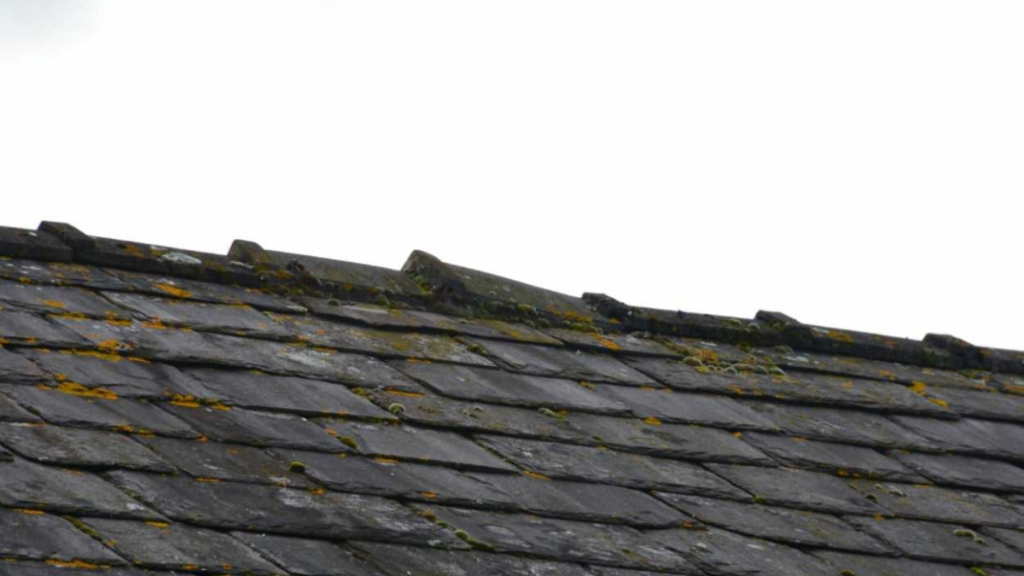
Slate roofs, ageing lead flashings and chimney stacks often require close inspection. Replacement costs can be substantial, so understanding condition before exchange of contracts is important.
Alterations and Extensions
Many period homes have been extended or structurally altered. Removing internal walls, converting loft spaces or adding rear extensions can affect structural integrity if not executed correctly.
Our RICS Home Survey – Level 3 service is designed to address these complexities in detail.
Is a Level 2 Survey Enough for an Older Property?
This is one of the most common questions we receive.
A Level 2 survey is suitable for many conventional properties built from common materials and in reasonable condition. You can read more about this in our comparison guide on Level 2 vs Level 3 Survey.
However, for older properties, a Level 2 survey may not always provide sufficient depth.
A Level 2 report focuses on identifying significant defects and providing condition ratings. It does not go as far in describing construction methods, explaining the cause of defects or outlining detailed repair options.
If the property is Victorian or Edwardian, has visible cracking or damp, has been significantly altered, or appears poorly maintained then a Level 3 survey is usually the more prudent choice.
The decision should be based on risk rather than initial cost.
When Is a Level 3 Survey Recommended?
A Level 3 survey is recommended where the building’s age, design or condition increases uncertainty.
The Royal Institution of Chartered Surveyors explains in their overview of house surveys that Level 3 reports are intended for properties that are older, larger or significantly altered.
In practical terms, this includes pre-1930 houses, listed buildings, homes with structural alterations, properties with visible signs of movement, and buildings constructed using non standard materials.
In these situations, a more detailed inspection provides reassurance.
A Level 3 survey does not simply highlight issues. It explains the form of construction, identifies potential hidden risks and outlines repair priorities.

What About Cost for Older Properties?
Cost is naturally part of the decision.
A Level 3 survey will usually be more expensive than a Level 2 survey due to the additional inspection time and reporting detail involved. You can review our pricing structure on our Home Survey Fees page.
However, the difference in fee should be viewed in context.
An older property may require roof repairs, structural strengthening or damp remediation. Identifying those issues early can influence negotiations and budgeting.
It is also important to understand that a lender’s valuation is not a substitute for a survey. As outlined by the Financial Conduct Authority in their guidance on mortgages and property valuations, a valuation is undertaken to protect the lender’s position rather than to provide detailed advice on condition.
A valuation report will not assess the building in the same way a Level 3 survey does.
How to Decide Which Survey Is Right for Your Property
If you are still asking do I need a Level 3 survey for an older property, consider the following: how old the building is, whether it has been extended or structurally altered, whether there are visible signs of cracking, damp or movement, and whether you are comfortable proceeding without detailed structural commentary.
If the property is modern, well maintained and built from conventional materials, a Level 2 survey may be appropriate.
If the property is older, larger or altered, a Level 3 survey generally provides greater clarity.
At SMRE Property, we discuss each instruction individually. We take time to understand the building and your concerns before recommending a service. If you would like to talk through your purchase, you can contact us via our Contact page.
The right survey should give you confidence. That is always the objective.
Frequently Asked Questions
Do I need a Level 3 survey for an older house?
In most cases, yes. Older houses often contain hidden issues related to construction methods, age and alterations that benefit from the deeper inspection provided by a Level 3 survey.
Is a Level 2 survey enough for an older property?
Sometimes, but not always. For straightforward older properties in good condition it may be sufficient. Where there are visible defects or significant alterations, a Level 3 survey is usually more appropriate.
What survey should I get for a Victorian house?
A Victorian house will often justify a Level 3 survey due to its age, traditional construction and potential for hidden defects.
What types of properties require a Level 3 survey?
Properties that are older, larger, significantly altered or constructed using non standard materials typically require a Level 3 survey for a more detailed structural assessment.

Comments